
How Landscape Design Services Help Create More Usable Outdoor Spaces
Outdoor spaces can serve as much more than decorative extensions of a home. With thoughtful planning, a yard can become a practical place for dining, entertaining, relaxing, gardening, recreation, and everyday movement. The challenge is bringing those functions together in a way that feels natural, attractive, and appropriate for the property.
Landscape design services help homeowners make better use of the space they already have by considering layout, circulation, plant placement, drainage, lighting, hardscaping, and long-term maintenance. Rather than adding features one at a time without a clear plan, professional design creates a coordinated approach that supports both appearance and function. A carefully designed property can feel more organized, comfortable, and adaptable to the way a household actually lives.
Improving Outdoor Layout and Flow
One of the main benefits of landscape design services is the ability to create a logical layout. A yard may have plenty of square footage but still feel difficult to use if pathways, seating areas, planting beds, and activity zones are poorly arranged. Professional planning helps determine where each feature should go so people can move comfortably from one area to another.
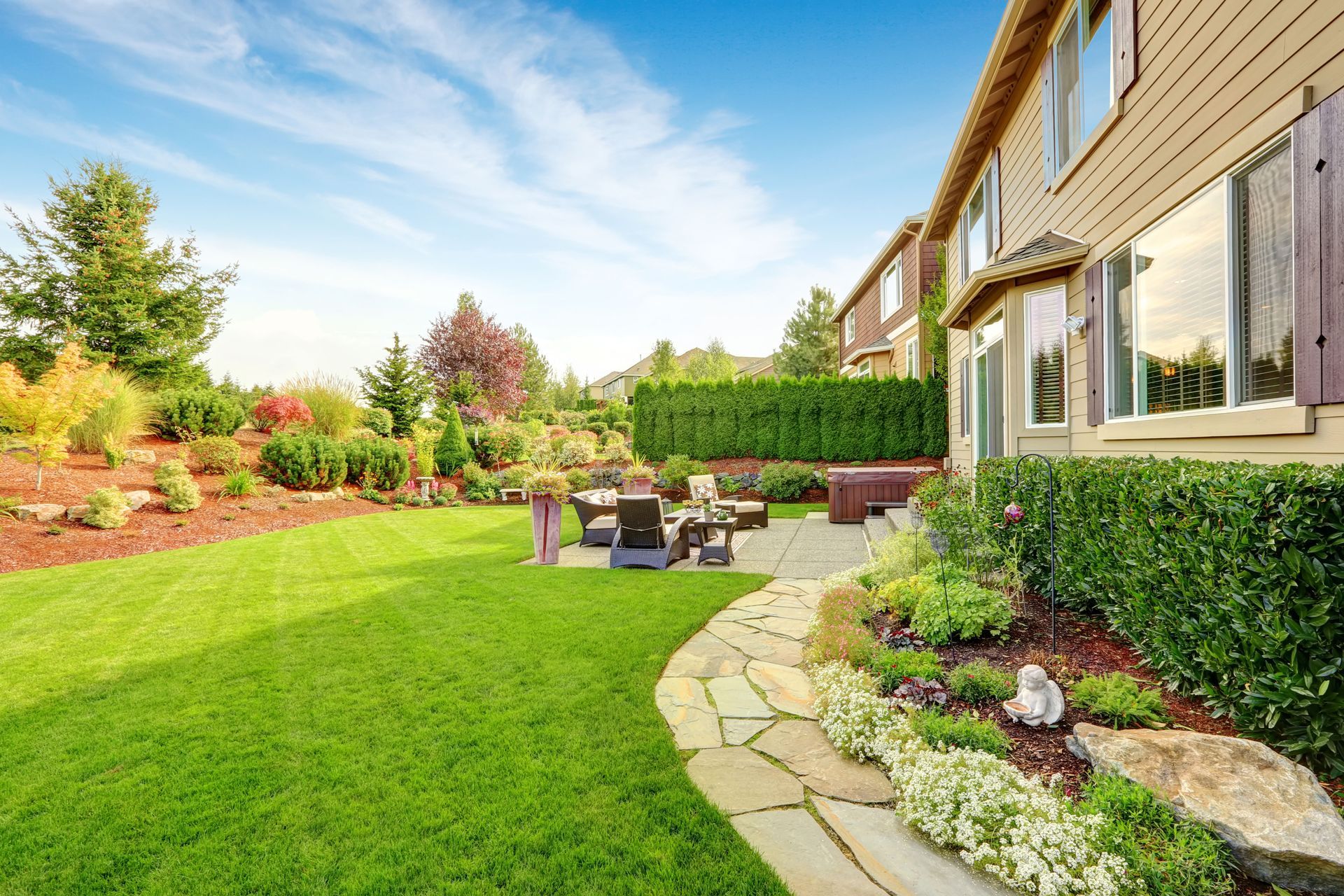
Designers consider existing structures, property lines, slopes, entrances, views, and natural traffic patterns. A patio can be positioned close enough to the home for convenient dining, while a fire pit or lounge area may work better farther away in a quieter part of the yard. Walkways can connect these spaces without creating awkward routes or unnecessary obstacles.
A well-planned layout also helps reduce wasted space. Narrow side yards, unused corners, and areas around fences or sheds may become useful with the right design approach. Landscape design services can transform these overlooked areas into planting zones, storage access, small seating areas, or functional pathways.
Creating Purposeful Outdoor Zones
Another advantage of landscape design services is the ability to divide a property into clearly defined zones. Different household activities often require different types of spaces. A family may want an outdoor kitchen, a children's play area, a garden, a shaded seating area, and open lawn for pets or recreation.
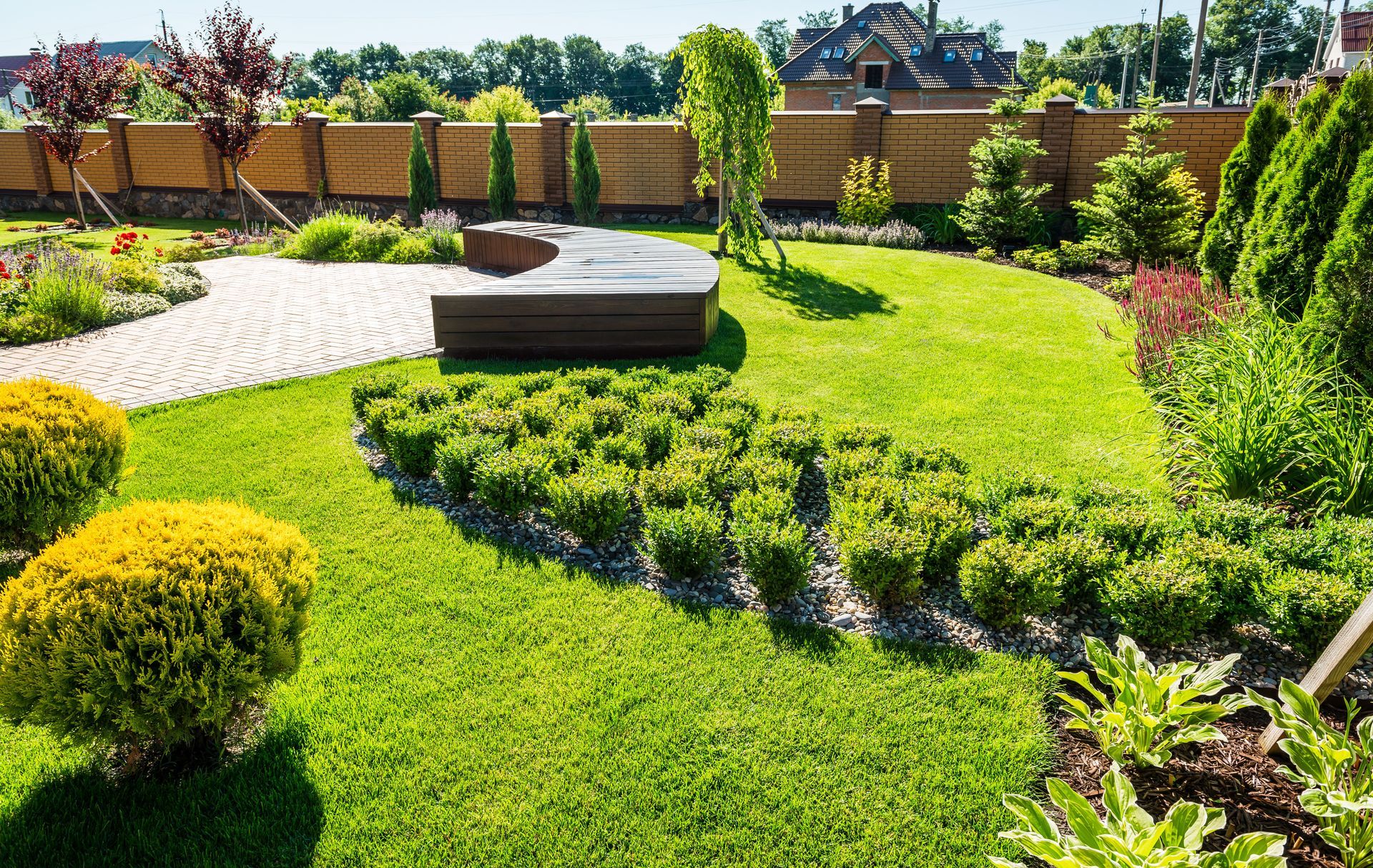
Instead of allowing these uses to compete with one another, a designer can organize them so each area has a distinct purpose. Plantings, changes in paving materials, low walls, lighting, and other visual elements can help separate zones without making the yard feel fragmented.
This type of planning is especially valuable on smaller properties. A compact yard can support several activities when each section is carefully sized and placed. For example, built-in seating can reduce the amount of furniture needed, while vertical plantings can add greenery without occupying valuable ground space. Thoughtful zoning helps make every portion of the property work harder.
Supporting Better Plant Selection
Plants contribute color, texture, shade, privacy, and seasonal interest, but they also require enough space and suitable growing conditions. Landscape design services help homeowners choose plants based on sunlight, soil, drainage, climate, mature size, and maintenance expectations rather than appearance alone.
Proper placement can make outdoor spaces easier to use. Trees may provide shade over a patio, shrubs can create privacy around a seating area, and low-growing plants can soften walkways without blocking movement. Designers can also avoid placing plants where roots, thorns, falling fruit, or excessive growth could interfere with daily use.
According to Jobber, 71% of landscapers provide design and construction services, while 63% offer tree care. These figures reflect how closely design, installation, and ongoing plant management can be connected. A coordinated approach can help ensure that landscape features work together as plants mature and outdoor needs change.
Improving Comfort Throughout the Property
Comfort plays a major role in determining how often an outdoor space gets used. Landscape design services can improve comfort by addressing sun exposure, shade, wind, privacy, seating, and access. A beautiful patio may remain empty if it becomes unbearably hot in the afternoon or feels too exposed to nearby properties.
Designers can use trees, pergolas, screens, fences, and strategic plantings to create more comfortable conditions. Seating areas may be oriented to capture a pleasant view while avoiding harsh afternoon sunlight. Wind-sensitive spaces can benefit from shrubs or structural screens, while privacy plantings can make a backyard feel more secluded.
Lighting also contributes to comfort and usability. Path lights can make walkways easier to navigate after dark, while softer lighting around patios or gathering areas can extend the time people spend outside. By considering how conditions change throughout the day, a design can support more consistent use of the property.
Managing Drainage and Site Conditions
Usable outdoor spaces depend on more than appearance. Poor drainage, steep slopes, erosion, standing water, and uneven ground can limit how much of a property can be enjoyed. Landscape design services can help identify these conditions early and incorporate solutions into the overall plan.
Grading may be adjusted to direct water away from structures and gathering areas. Drainage systems, swales, permeable surfaces, or appropriately selected plants can help manage excess water. Retaining walls and terraced areas may make sloped properties safer and more practical while also creating opportunities for planting or seating.
Addressing site conditions during the planning stage can prevent new features from creating additional problems. For example, adding a large patio without considering runoff could move water toward another part of the yard. A coordinated design evaluates how each change affects the property as a whole.
Integrating Hardscaping With Landscaping
Hardscaping provides structure to an outdoor environment. Patios, walkways, retaining walls, steps, edging, and other constructed features often determine how people move through and use the property. Landscape design services help integrate these elements with plants and natural features so the space feels balanced.
Material selection can influence both function and appearance. Smooth, durable surfaces may be appropriate for frequently used walkways, while textured materials can add visual interest to gathering areas. Designers can also consider transitions between surfaces to create a consistent look from one zone to another.
The relationship between hardscaping and planting is equally important. Trees and shrubs can soften the edges of patios, while planting beds can guide movement and add separation between activity areas. When these features are planned together, the result is more cohesive than adding hardscape and landscaping independently.
Planning for Long-Term Outdoor Use
Outdoor needs often change over time, which makes flexibility an important part of good design. Landscape design services can help homeowners plan for future priorities while still creating a functional space today. A play area may eventually become a garden, additional seating area, or entertaining space as household needs change.
Designers can also account for how plants mature, how materials weather, and how maintenance requirements may evolve. Choosing appropriately sized plants can reduce future crowding, while durable materials can help high-traffic areas remain useful. Irrigation access, storage needs, and maintenance routes can also be considered before construction begins.
A well-designed landscape should support everyday use rather than simply look attractive from a distance. By combining functional planning, plant selection, drainage management, comfort, hardscaping, and future adaptability, landscape design services can help homeowners create outdoor environments that feel intentional and practical. The result is a property that offers more opportunities to spend time outside and makes better use of available space.
According to Jobber, 71% of landscapers provide design and construction services, while 63% offer tree care.
Share On: