
4 Key Elements to Consider in Your Landscape Design
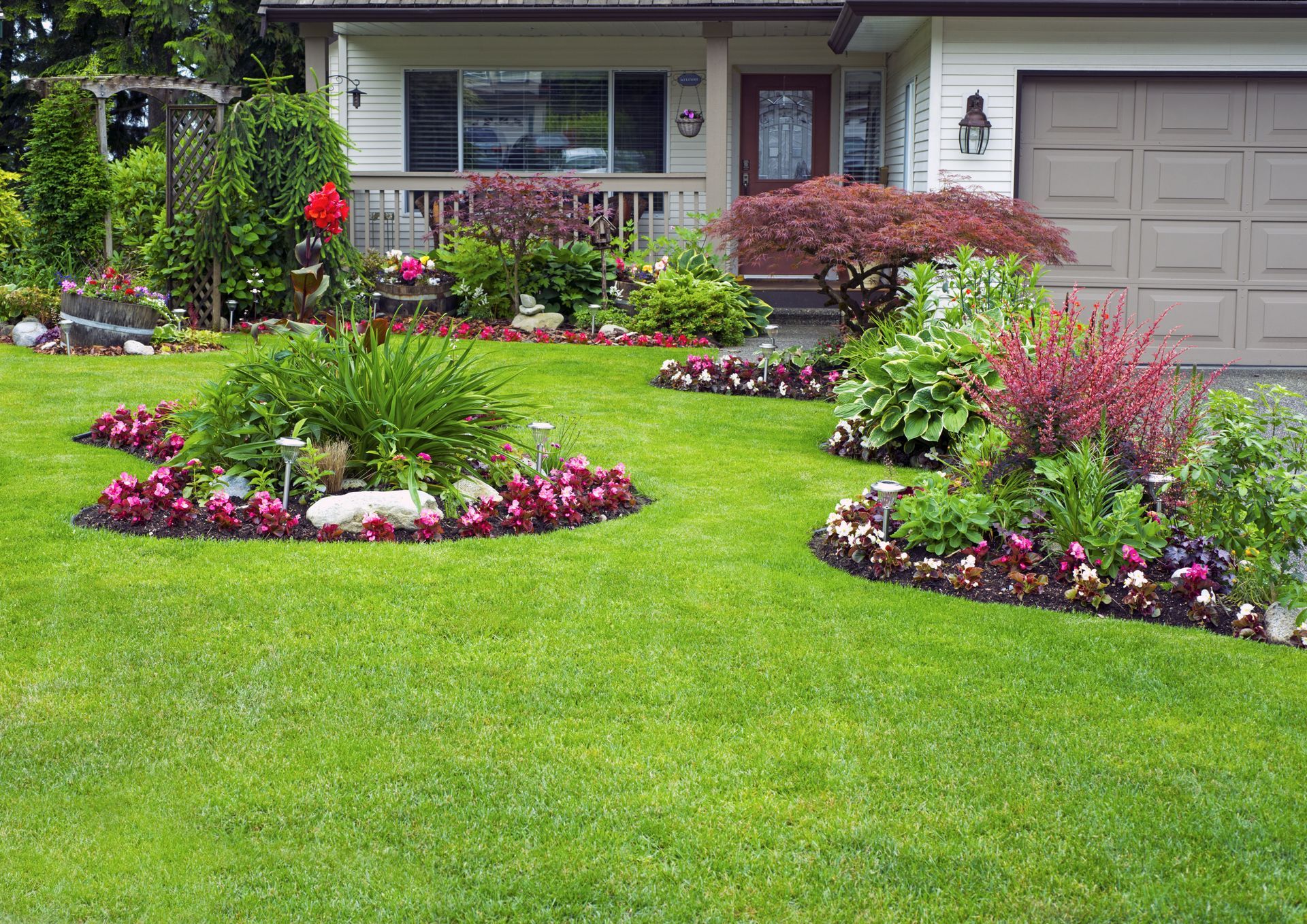
Landscaping plays a crucial role in enhancing the aesthetics and functionality of any property, and thoughtful landscape design has the power to transform barren, plain spaces into vibrant, functional areas that are not only pleasing to the eyes but also add to the utility of the environment. It has the power to transform barren, plain spaces into vibrant, functional areas that are not only pleasing to the eyes but also add to the utility of the environment. By carefully planning and executing a landscape design, homeowners can significantly increase their property's value and curb appeal.
Successful landscape design involves consideration of several key elements. From understanding the existing environment to selecting suitable plant types and incorporating hardscape solutions, each step requires careful planning and execution. This comprehensive guide will delve into the vital components and considerations needed to create an outstanding landscape design. Whether you are looking to enhance your home for enjoyment or boost its market value, understanding these fundamental principles is essential when approaching landscape design. Read on to learn more!
1. Understanding Your Space
Understanding your outdoor space is the first critical step towards effective landscape design. This begins with assessing the climate of your region, which greatly influences what plants and design elements will thrive. Local weather patterns, including temperature fluctuations, precipitation levels, and seasonal changes, need careful consideration. By aligning your design with the climate, you can ensure a sustainable and low-maintenance landscape design. Furthermore, a climate-responsive approach helps in conserving resources and promoting biodiversity.
Soil quality analysis is another fundamental aspect of understanding your space. The type of soil present can dictate what plants you can grow and how they will perform within a landscape design. Conducting a soil test will provide valuable insights into its pH levels, nutrient content, and drainage capacity. This understanding will guide you in amending the soil, if necessary, to suit your desired plant selection. Additionally, recognizing soil challenges early on can prevent potential issues and reduce maintenance needs later.
Lastly, measuring the area and scale of your project, along with considering existing plants and structures, is vital. Accurate measurements prevent overcrowding and ensure a balanced layout. Existing elements, such as trees and hardscape, can be integrated into the new design for continuity and preserved character. Identifying potential challenges like slopes, shaded areas, or existing utilities will help mitigate obstacles during the implementation phase. These considerations form the foundation for a well-planned landscape design.
2. Defining Purpose and Usage
Defining the purpose and usage of your landscape is crucial to tailoring your design to meet specific needs and preferences. A successful plan considers the family's lifestyle, ensuring that the outdoor space enhances day-to-day living through intentional landscape design. For families, this might include safe play areas for children, spaces for relaxation, or gardens for homegrown produce. Understanding these needs will guide decisions on plant selection, structural additions, and overall layout. Personalizing the space will make it more enjoyable and functional for all users. According to LawnStarter, landscaped homes generally sell for 5% to 12% more than comparable homes without landscaping. This demonstrates the financial and aesthetic benefits of thoughtfully designed outdoor spaces supported by strategic landscape design.
Entertaining and social spaces often play a central role in landscape design for those who host gatherings frequently. This entails creating areas that allow for comfortable seating, outdoor cooking, and dining. Features such as patios, decks, and outdoor kitchens can serve as focal points that bring people together. Thoughtful integration of these elements transforms your yard into an inviting space perfect for any occasion. Moreover, arranging these areas with accessibility and flow in mind enhances guest comfort and ease of use.
Recreation areas and pet-friendly considerations are other aspects of purposeful landscape design. Whether incorporating a swimming pool, a sports court, or a simple open lawn, it's imperative to consider how these will be used and maintained. For pet owners, designing with animals in mind might include durable ground covers, shaded rest areas, and secure fencing. By considering both human and animal residents, the landscape remains functional for all inhabitants. Each design choice resonates with the overarching purpose of the space, maximizing usability and satisfaction through practical landscape design.
3. Selecting Plant Types
Selecting suitable plant types is essential for achieving a thriving landscape that requires minimal upkeep and complements the overall landscape design. Native plants are particularly advantageous as they are adapted to local climate conditions and soil types. This makes them more resilient to weather extremes and less dependent on additional water or fertilizers. Using native species also supports local ecosystems and lessens the risk of introducing invasive plants. As a result, a garden composed primarily of native varieties will likely flourish with less intervention.
Sunlight exposure is another fundamental factor to consider when choosing plants. Understanding the light patterns within your garden, including areas of full sun, partial shade, and full shade, will guide your selections and support a balanced landscape design. Plants have varied light requirements, and placing them according to their needs ensures healthy growth. Matching plant types to their respective sunlight exposures contributes to a vibrant, lush garden. This attention to detail will prevent issues such as sunburn or poor flowering, common when conditions are unsuitable.
Balancing perennials and annuals, integrating trees and shrubs, and considering seasonal changes are also integral parts of plant selection. Perennials provide long-lasting beauty with less frequent planting, while annuals offer dynamic seasonal color. Trees and shrubs add structure and depth to your landscape, often serving as focal points or providing privacy and shade. Taking seasonal changes into account ensures year-round interest, with plants selected for their unique seasonal attributes. These considerations lead to a well-rounded plant selection that supports cohesive landscape design.
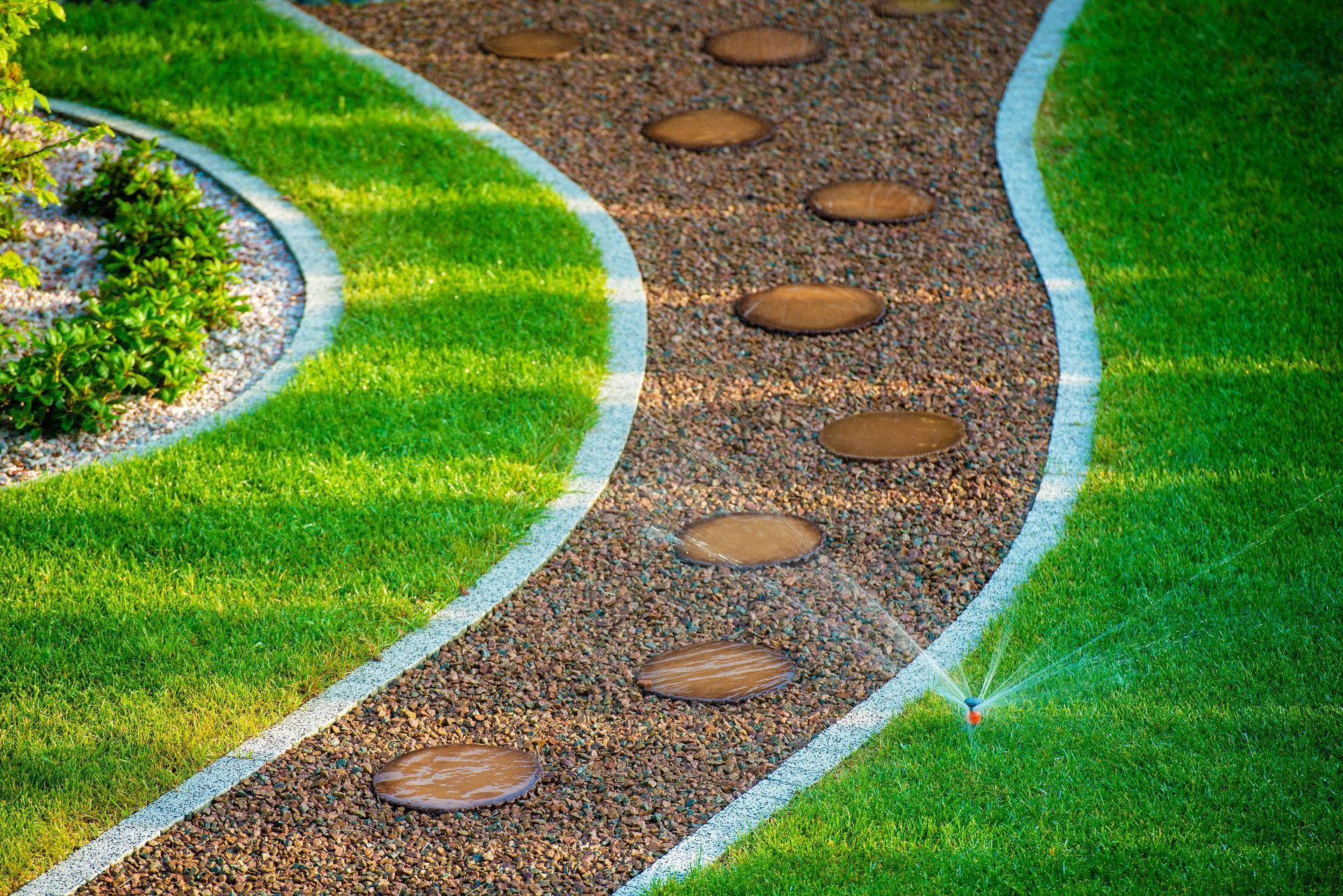
Landscape design is a nuanced process that involves careful consideration of various elements to create cohesive and sustainable outdoor spaces. By understanding the space, defining its purpose, selecting appropriate plant types, and integrating water features and pathways, a balanced and functional landscape can be achieved. Hardscape and structures bring additional layers of complexity and beauty, further enhancing the outdoor environment. Throughout the design process, it is crucial to blend aesthetics with utility, ensuring that each element complements others harmoniously.
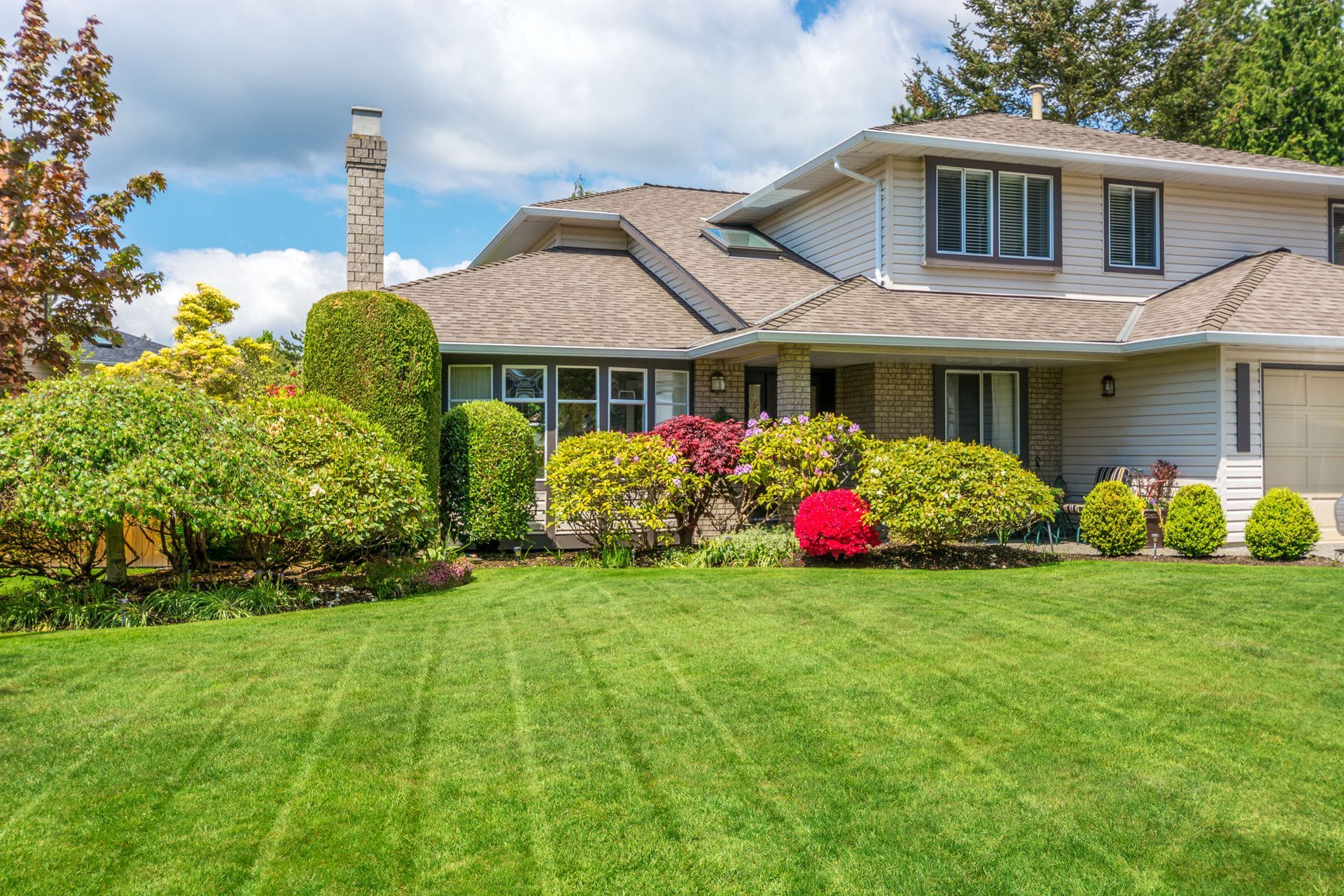
The importance of thoughtful planning in landscape design cannot be overstated. By anticipating challenges and making informed decisions, homeowners can avoid common pitfalls and maximize the value of their investment. Landscaped properties generally sell for more than comparable homes without landscaping, a testament to the financial benefits of well-designed outdoor spaces. Beyond financial gain, a thoughtfully executed landscape design provides personal enjoyment and satisfaction, enhancing the quality of life for its users.
As you embark on your landscape design journey, remember that creativity and vision are your best tools. Combine these with practical knowledge and an understanding of your unique environment to bring your dream landscape to life. With attention to detail and a focus on sustainability, your garden can become a cherished space that rejuvenates and inspires all who visit. The synergy of these elements will create a lasting legacy that enriches your home and its surroundings through enduring landscape design. If you're ready to transform your property, reach out to Tropical Outdoor Solutions Inc. We're here to bring your vision to life!


Share On: